
Understanding the psychological effects of gambling How it influences decision-making and behavior
The Psychology of Gambling Addiction
Gambling can trigger profound psychological effects that lead to addiction, where individuals feel compelled to continue wagering despite negative consequences. The cycle of reinforcement plays a crucial role in this phenomenon; players experience occasional wins that release dopamine, reinforcing the behavior and fostering a desire for more. This biochemical reaction can blur the line between a casual activity and a compulsive behavior, where the brain’s reward pathways become increasingly conditioned to seek the thrill of gambling. One notable option for an exciting gaming experience is casea-au.com, which offers various games to explore.
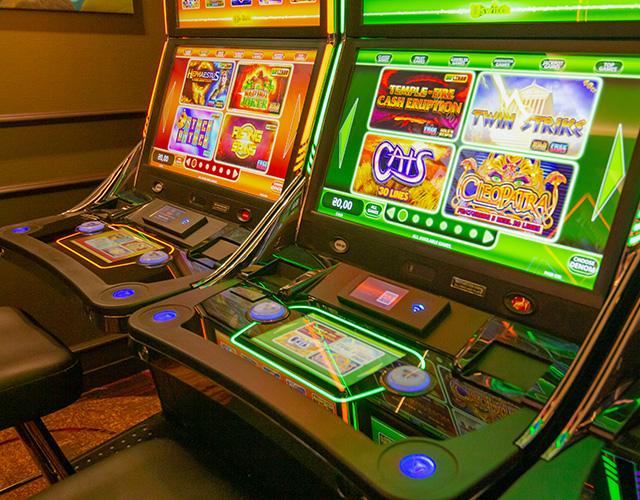
Many people start gambling for social reasons or as a form of entertainment. However, once the initial excitement morphs into a pursuit of elusive wins, the psychological grip tightens. Emotions such as excitement, anxiety, and stress can all surface, influencing decision-making. This tumultuous emotional state can lead players to chase losses or engage in riskier bets, resulting in a cycle that is difficult to escape. Understanding these dynamics can assist in developing more effective interventions for those struggling with gambling problems.
The effects of gambling addiction extend beyond the individual, affecting families and communities. Relationships may suffer as trust erodes due to financial strain and deceitful behavior. This can create a ripple effect, leading to broader social issues such as crime and mental health problems. It’s vital to acknowledge these societal implications, as they emphasize the importance of awareness and education about the psychological effects of gambling.
The Role of Decision-Making in Gambling
Decision-making in gambling environments is complex and often irrational. Gamblers frequently fall prey to cognitive biases that skew their judgment. For example, the illusion of control can lead individuals to believe they can influence the outcome of games, particularly in skill-based gambling scenarios. This false sense of agency can push players to make poor decisions, such as betting larger amounts or playing longer than intended, driven by the belief that they can turn their luck around.
Another cognitive bias prevalent among gamblers is the gambler’s fallacy, where players assume that past events influence future outcomes. For instance, a player might believe that a slot machine is “due” for a win after a series of losses. This flawed reasoning can skew risk assessment, leading to the belief that continued play is justified. Such biases underscore the importance of understanding how psychological factors can distort rational decision-making in gambling contexts.
Moreover, emotional states can significantly impact decision-making. When in a state of euphoria after a win, gamblers may become overconfident and take unnecessary risks. Conversely, after a loss, feelings of desperation can lead to chasing losses, where gamblers continue to bet to recover lost funds. Both scenarios illustrate how fluctuating emotions can drive impulsive behavior, steering players away from sound financial decisions.
The Influence of Environment and Marketing
The environment in which gambling occurs can significantly impact a player’s psychological state and decision-making. Casinos are designed to create an atmosphere of excitement, often utilizing bright lights and enticing sounds to draw players in. This stimulating environment can lead to a heightened sense of arousal, impacting judgment and self-control. Such strategic design aims to keep players engaged longer, which may further exacerbate any existing gambling issues.
Marketing tactics also play a role in shaping perceptions of gambling. Promotions, bonuses, and loyalty programs are often designed to attract new players and retain existing ones. These marketing strategies can create the illusion of value and success, enticing players to engage more heavily in gambling activities. As players are bombarded with messages emphasizing potential wins, it becomes easy to overlook the significant risks involved.
Furthermore, the normalization of gambling through advertising in various media has contributed to its acceptance in society. This widespread exposure can desensitize individuals to the dangers of gambling, making it easier for casual players to transition into more serious gambling behaviors. Recognizing how environment and marketing shape gambling perceptions is crucial in understanding its psychological implications.
The Emotional Fallout of Gambling
The emotional consequences of gambling can be profound, impacting individuals’ mental health and overall well-being. Many gamblers experience anxiety, depression, and guilt as they grapple with their addiction. The cycle of winning and losing can create emotional highs and lows that further complicate mental health issues. Acknowledging these emotional struggles is essential for those affected, as it can promote healing and recovery.
Moreover, the stigma surrounding gambling addiction often prevents individuals from seeking help. Many feel ashamed or embarrassed about their behavior, leading to isolation. This isolation can worsen mental health problems, creating a vicious cycle of despair. Raising awareness about gambling addiction and its psychological effects can help reduce stigma, encouraging more individuals to seek support and resources.
Support systems, such as therapy and support groups, can play a pivotal role in recovery. Therapy can help individuals understand the underlying psychological factors contributing to their gambling behavior, while support groups provide a safe space for sharing experiences. These resources are vital for breaking the cycle of addiction and promoting healthier coping mechanisms.
Understanding Responsible Gaming Practices
Responsible gaming practices are essential in mitigating the psychological effects of gambling. Awareness programs aim to educate players about the risks associated with gambling, promoting informed decision-making. By understanding the potential pitfalls and setting limits, individuals can engage in gambling as a recreational activity rather than a compulsive behavior. It is essential to create a balance that allows for enjoyment without crossing the line into addiction.
Many casinos and online gaming platforms now incorporate responsible gaming tools, such as self-exclusion options and deposit limits. These features empower players to take control of their gambling habits, allowing them to set boundaries that align with their financial and emotional well-being. Utilizing these tools can significantly reduce the likelihood of developing a gambling problem.
Additionally, fostering a culture of open dialogue about gambling can help individuals feel more comfortable discussing their experiences. Encouraging conversations about the psychological effects of gambling can promote awareness and understanding. This, in turn, can lead to more individuals seeking help when needed, ultimately contributing to healthier gaming habits in the long run.

Conclusion: Exploring Platforms Like Casea Casino
Understanding the psychological effects of gambling is crucial for players, families, and communities. Platforms like Casea Casino offer exciting gaming experiences, but it’s vital to approach them with awareness and responsibility. The site provides various games and responsible gaming tools, emphasizing player safety and enjoyment. Recognizing the psychological implications of gambling can ensure a balanced experience while enjoying online gaming.
Moreover, Casea Casino’s commitment to responsible gaming practices demonstrates the industry’s potential for promoting healthy gaming environments. By offering educational resources and self-management tools, the platform supports players in making informed decisions. Engaging with such platforms responsibly can enhance the gaming experience without succumbing to the potential pitfalls associated with gambling.